
Mocadorà Season: A Newcomer's Guide to 9 d'Octubre
Marzipan fruit wrapped in silk, fireworks and a holiday everyone seems to understand but you. Here's what 9 d'Octubre and Sant Donís are really about, and how to join in.
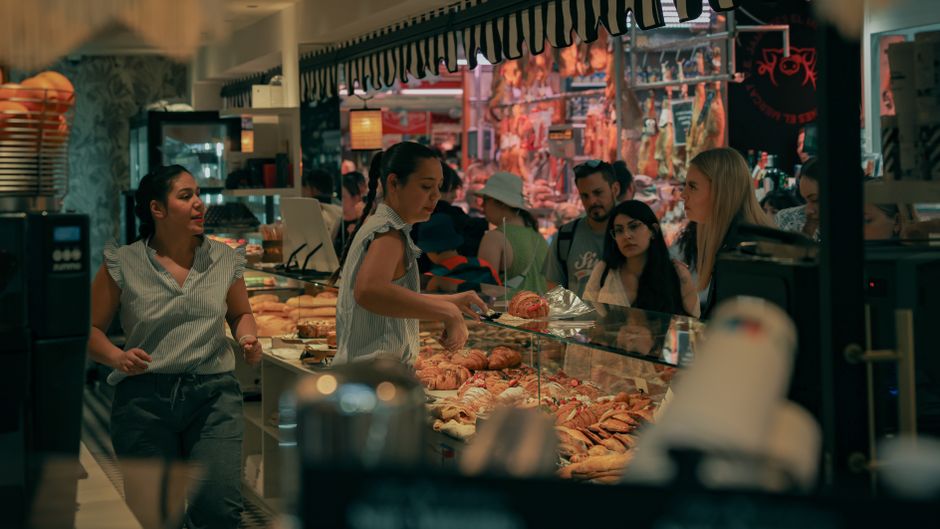
Photo: TBD Traveller on Pexels
If you walked past a pastry shop in Valencia this month and wondered why every window was full of little silk handkerchiefs wrapped around marzipan fruit, you weren't imagining things. That's the mocadorà, and it's one of the loveliest things about the days around 9 d'Octubre, the Day of the Valencian Community, which just passed on Friday.
I remember my first October here. I saw the fireworks on the eve of the holiday, heard people calling it "Sant Donís" and had absolutely no idea what anyone was talking about. I smiled, nodded, and went home feeling a little like I was watching a party through a window.
So here's the version I wish someone had told me.
What's actually going on
The 9th of October commemorates the day King Jaume I entered Valencia in 1238. It's a regional holiday, with processions, Moors and Christians parades, and a big fireworks display on the eve. And right next to it sits Sant Donís, the Valencian day of lovers, which is celebrated the same day.
The tradition goes like this: you give someone a mocadorà, a silk handkerchief tied around marzipan figures shaped like the fruit and vegetables of the huerta. Oranges, artichokes, peppers, tiny perfect bananas. Visit Valencia's guide put this year's mocadorà season at 3 to 9 October, and you can still find the leftovers in some shops.
It isn't only for couples
Here's the part that surprised me. Nobody checks your relationship status. Friends give them to friends. Families split a box over coffee. Plenty of people buy one just to see what the fuss is about.
If you're new in town, here's a gentle way into the tradition:
- Buy a small mocadorà from a local pastry shop and ask the person behind the counter to explain the figures. They almost always love to.
- Bring one to a friend, a flatmate, or a new acquaintance, and share it. Marzipan is meant to be passed around.
- Ask a Valencian friend what their family does for the 9th. You'll get a story, and often an invitation.
The best way to learn a city's traditions is to be handed one by someone who grew up with it.
The quiet challenge of holidays when you're new
Local holidays can be funny when you're an expat, an international student or a nomad. The city goes quiet, or loud, and everyone seems to have a plan. If your family and old friends are far away, a long weekend can feel a little lonely, even in a sunny place like this.
The good news is that traditions like this one are built to be shared. They exist because people wanted an excuse to gather. You don't need to understand every word of the Valencian story to take part, you just need to show up with something sweet and be curious.
Next time
The holiday has gone, but the season hasn't. October and November in Valencia are underrated: the heat finally breaks, terraces are still open, and the city feels like it's settling into its rhythm again. It's a lovely time to say yes to the plan you'd normally skip.
So this week, try one small thing. Walk into a shop you've passed fifty times. Ask about the thing in the window. Invite someone along. That's how most of us ended up with a social life here: not through one big leap, but through a lot of small, slightly awkward, completely worth-it hellos.
You don't have to do Valencia alone. Nobody here did it that way either.